
TEAF-CHE
Climate & Health Observatory
TEAF-CHE Climate & Health Observatory (CHO) is a digital platform that brings together climate data and health data to help Nigerians understand how climate change is affecting their health. It serves as a central hub where communities, health workers, policymakers, and researchers can access reliable information, early warnings, and practical guidance.
Why the CHO Exists
Climate change is increasing heatwaves, floods, water contamination, malaria surges, and other health threats across Nigeria. However, most communities still lack access to timely and localized climate–health information.
- To support decision & policy makers, health care workers and vulnerable communities in Nigeria in preparing for and adapting to the health impact of climate change by collecting, analyzing, and making relevant resources available
- To build a robust & comprehensive understanding of the interactions between climate change and health and to develop evidence-based solutions that can protect the health of communities
What we aim to achieve
-
Improve early detection of climate-related health risks
-
Strengthen health system preparedness
-
Protect vulnerable groups (women, children, rural communities)
-
Support government decision-making with reliable data
-
Increase community resilience
-
Promote climate literacy
-
Reduce preventable illnesses and deaths
Core Objectives
Collect, integrate, and monitor real-time data on climate variables, environmental hazards, and climate-sensitive diseases.
Develop predictive analytics and alerts that enable communities and health systems to prepare for heatwaves, floods, pollution spikes, disease outbreaks, and other climate-driven threats.
Translate data into actionable insights to shape local, state, and national climate-health policies and resilience strategies.
Train health workers, teachers, youth, and community leaders to understand climate risks and promote adaptive practices.
Ensure marginalized groups—women, children under five, rural communities—benefit from climate-health knowledge, services, and adaptation efforts.
Why It Matters
Nigeria faces rising heat, extreme weather, flooding, food insecurity, and rapid spread of climate-sensitive diseases. Yet, data remains fragmented and inaccessible. The observatory fills a critical gap by creating a unified, people-centered, and evidence-based platform that supports early preparedness, equitable health policies, and community resilience.
The Problem We Address
-
Nigeria is one of the most climate-vulnerable countries globally.
-
Extreme heat, floods, droughts, and water contamination are increasing.
-
Health facilities lack climate-informed surveillance systems.
-
Communities do not receive early warnings or tailored climate health information.
-
Policymakers lack integrated data for planning and response.
CHO aims to solve these gaps.
IMPACTS
Scorching Nigeria: Heatwaves on the Rise
The Nigerian Meteorological Agency (NiMet) recently warned of a widespread, prolonged heatwave across many parts of Nigeria, with daytime temperatures reaching 38–40 °C in numerous cities.
For example, Port Harcourt was among the cities flagged at 38 °C on one of the heatwave days.
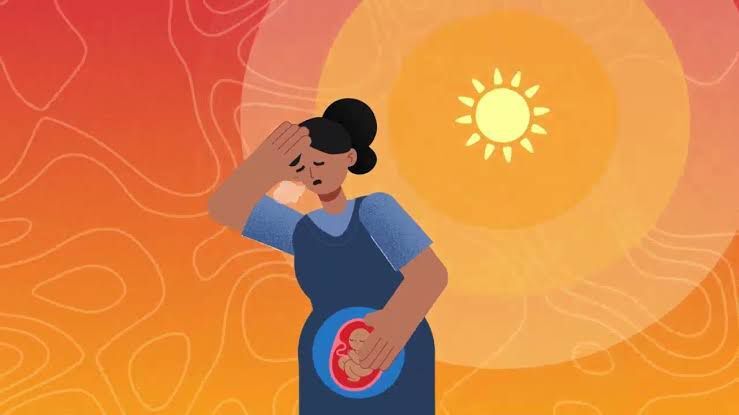
Such extreme heat can increase heat‑stress, dehydration, and exacerbate health risks for vulnerable groups (children, elderly, people with chronic conditions), reduce labour productivity, and worsen living conditions especially where reliable electricity, cooling or water access is limited.
Cholera Strikes: Protecting Communities in Nigeria
As of mid‑2025, Nigeria has recorded 10,353 suspected cholera cases and 244 deaths between January and September 2025, with a national case fatality rate (CFR) of ~ 2.4%. In the preceding months (as of April 28, 2025), there were reports of 1,141 suspected cases and 30 deaths across 30 Local Government Areas (LGAs) in nine states.
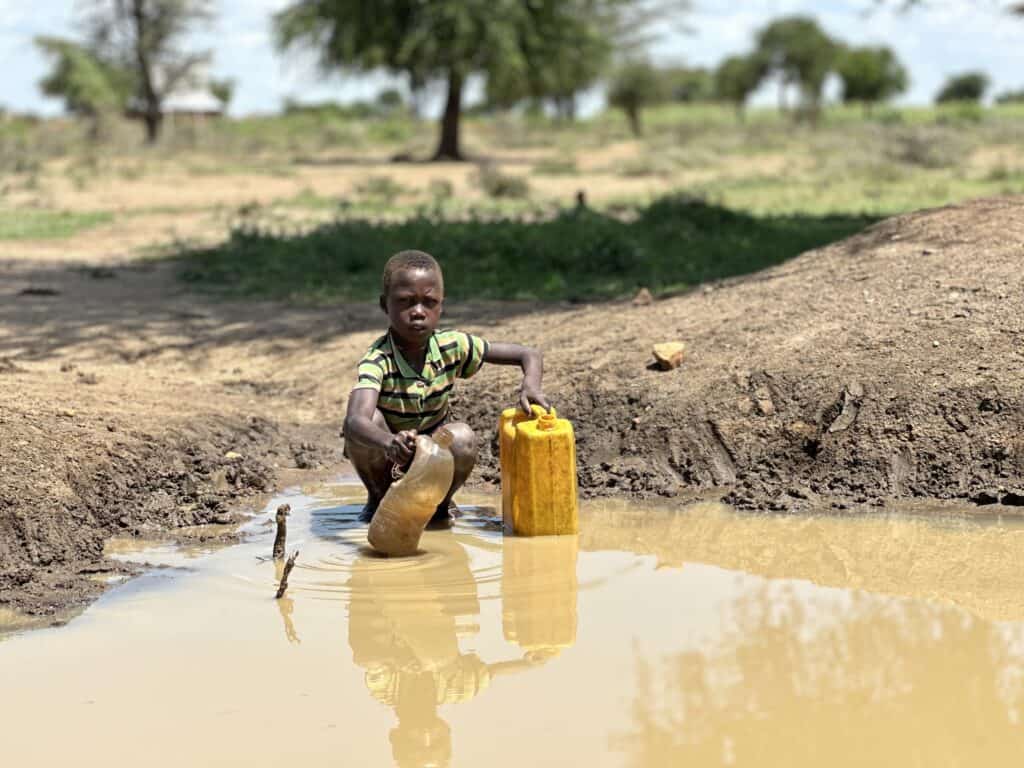
The outbreak has been attributed to poor water, sanitation and hygiene (WASH) conditions: limited access to clean water, widespread open defecation, inadequate sanitation infrastructure, especially in flood‑prone, rural or underserved communities.
The risk of further spread remains high with rains and floods expected to increase water contamination, making many communities vulnerable.
Breathing Danger: Nigeria’s Air Quality Crisis
According to IQAir (a global air‑quality monitoring network), Nigeria’s 2024 average PM2.5 concentration was ≈ 40.15 µg/m³. That’s about 8 times higher than the guideline recommended by World Health Organization (WHO).
In more localized studies for instance in the industrial area of Rumueme, Port Harcourt, measured PM2.5 levels reached ≈ 38.7 µg/m³, exceeding WHO safe‑air thresholds. Air pollution in Nigeria is driven by multiple sources: vehicle emissions (often from old or poorly maintained cars), industrial activities, gas flaring, burning of refuse and biomass fuels, and weak regulation and waste management practices.
The health impact is serious: particulate pollution (PM2.5) has been flagged as one of the top external threats to life expectancy in Nigeria — reducing average life expectancy significantly.